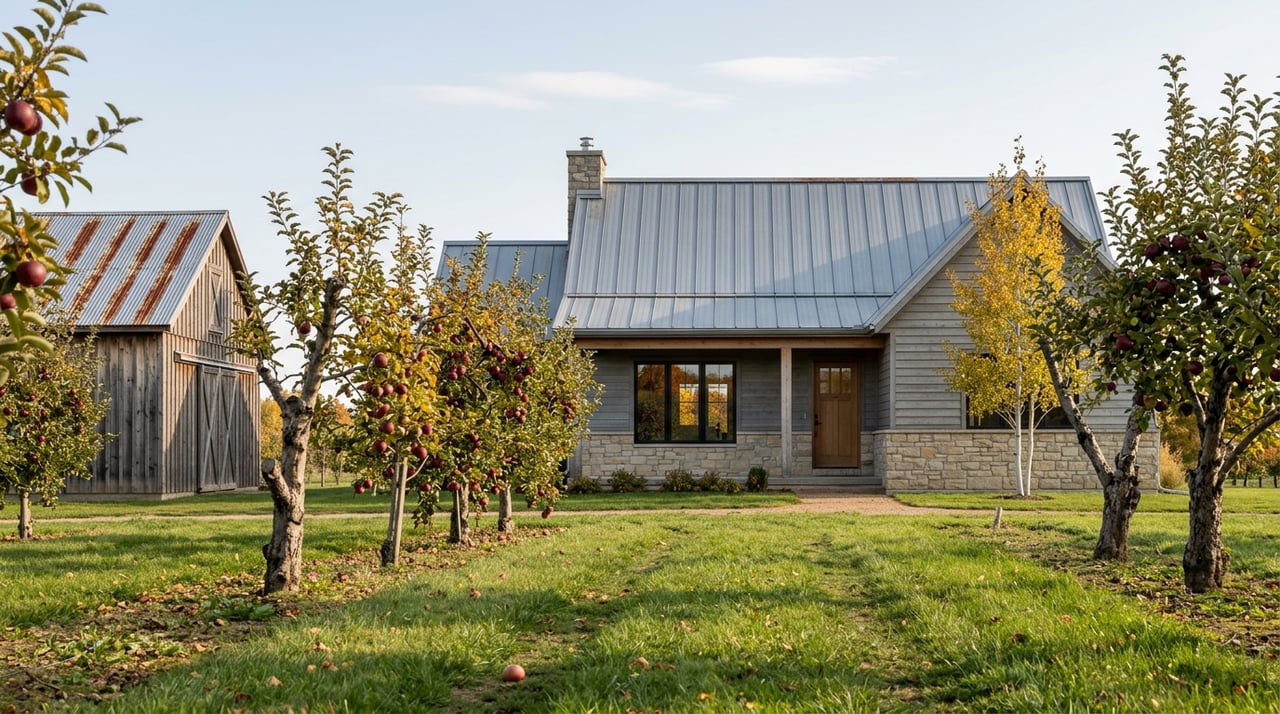
How Fire Restrictions Lift Orchard City Fall Activities
September 10, 2026
September 10, 2026
Friday, September 4, 2026, didn't look like much on paper. No harvest moon, no frost advisory, no ribbon cutting. But drive past the equipment shed at Orchard City Town Park that afternoon and you'd have seen something locals actually watch for: a brush pile finally burning, the first open fire allowed in the valley since early summer.
That's the real seasonal marker here, and it isn't set by a school calendar or a chamber of commerce banner. Delta County dropped from Stage 2 to Stage 1 fire restrictions that Friday, moving in step with the neighboring counties and the Bureau of Land Management office that manages the public ground wrapping around Grand Mesa. It's a county memo, not a festival, and it quietly does more to reopen the Orchard City fall than anything printed on a poster.
Stage 2 restrictions are the tight ones. No open burning, no campfires outside a handful of developed sites, no exceptions for the burn barrel behind the barn or the fire ring at a Grand Mesa campsite. Orchards and hay operations spend the summer stacking brush and prunings they can't legally touch. Campers heading up the Grand Mesa Scenic Byway learn to bring a camp stove instead of firewood. It's a long, dry season of waiting.
Stage 1 loosens that. It's the difference between a county telling you the ground is too dangerous to strike a match and a county telling you conditions have improved enough to let people manage their land and their weekends the way they normally would. For an orchard town, that distinction lands right when it matters most: the weeks before harvest cleanup, when growers need to clear cuttings and old wood before the next round of work, and right as the aspens on Grand Mesa start turning, which is exactly when campground reservations up there fill with people who want an actual fire to sit around.
Walk into Orchard City Town Park this month and the ball fields look almost the same as they did in July, except for who's using them. The park itself is a town asset, built the slow way. Volunteers started the project in 1993 with a master plan and not much else. The ball fields came together by 1996 once grant money arrived, and the park wasn't fully finished until 2011, when Great Outdoors Colorado funding combined with matching town dollars to complete it.
But the town owns the dirt, not the schedule. The people actually running games on those fields are Surface Creek Valley Field of Dreams, Inc., a nonprofit separate from the town government, which handles the softball, baseball, basketball, soccer, and football leagues for kids across the valley. It's a distinction that matters if you're trying to figure out who to call about a practice time or a registration deadline. The town maintains the grass. SCVFOD runs the season. Right now that season is turning over, summer ball giving way to the fall lineup of soccer and football that will carry the park through October.
The park's 1.5-mile walking trail doesn't care which sport is in season. It's the same loop in September as it was in June, just cooler in the mornings and easier to walk without stopping for water halfway around.
None of this happens in isolation from what's six miles up the road. Cedaredge's Applefest, held the first weekend of October, has been the region's harvest capstone for decades, drawing residents and visitors together to mark the end of the growing season with the kind of three-day gathering that fills Cedaredge Town Park with live music and more than 200 vendors. Orchard City doesn't host it, but plenty of people here treat it as the unofficial finish line for a season that started with a fire restriction downgrade and ends with an apple festival.
It's a strange but honest way to track a year in a farming valley. The calendar says fall starts on an equinox. Orchard City's actual rhythm says it starts when the county decides the ground is safe enough to burn again, runs through a youth sports handoff at a park two nonprofits and one town government somehow manage together, and closes out with a festival that isn't even technically in town.
None of this changes anything about buying or selling here. But it says something true about how Orchard City actually operates, which is worth knowing whether you're planning a weekend or just trying to understand the place. The town runs on overlapping authorities that don't always announce themselves. A county fire order determines whether your neighbor can burn brush this week. A nonprofit board, not the town trustees, decides when your kid's soccer season starts. A festival in the next town over ends up mattering more to the local calendar than anything happening inside Orchard City limits.
That kind of layered, quietly functional structure is common in small Western Slope towns, and it's easy to miss if you're only looking at the obvious civic markers. The Stage 1 downgrade won't make headlines outside the county's own website. The SCVFOD schedule won't show up on a town council agenda. But together they explain why fall here feels the way it does, gradually, administratively, and only once the right piece of paperwork clears.
If you're weighing whether a place like Orchard City fits the way you want to live, that's the kind of texture worth understanding before a single listing photo. The people at Needlerock Mountain Realty spend enough time in these towns to know which memos actually matter and which nonprofit runs which field, because that knowledge shapes what it's like to live somewhere day to day, not just what a property is worth. Reach out when you're ready to find your place in Colorado.
Stay up to date on the latest real estate trends.
A home, a ranch, a mountain retreat, or a thriving farm—every property represents a different way of life. Our team is passionate about helping clients discover the land, lifestyle, and opportunities that make Western Colorado extraordinary.

NEEDLEROCK MOUNTAIN REALTY & LAND, LLC
[email protected]
OPEN HOURS
MONDAY - FRIDAY: 9:30 AM TO 5:00 PM
CRAWFORD OFFICE
380 HIGHWAY 92
CRAWFORD, CO 81415
(970) 921-5331
PAONIA OFFICE
236 GRAND AVE
PAONIA, CO 81428
(970) 527-5331